

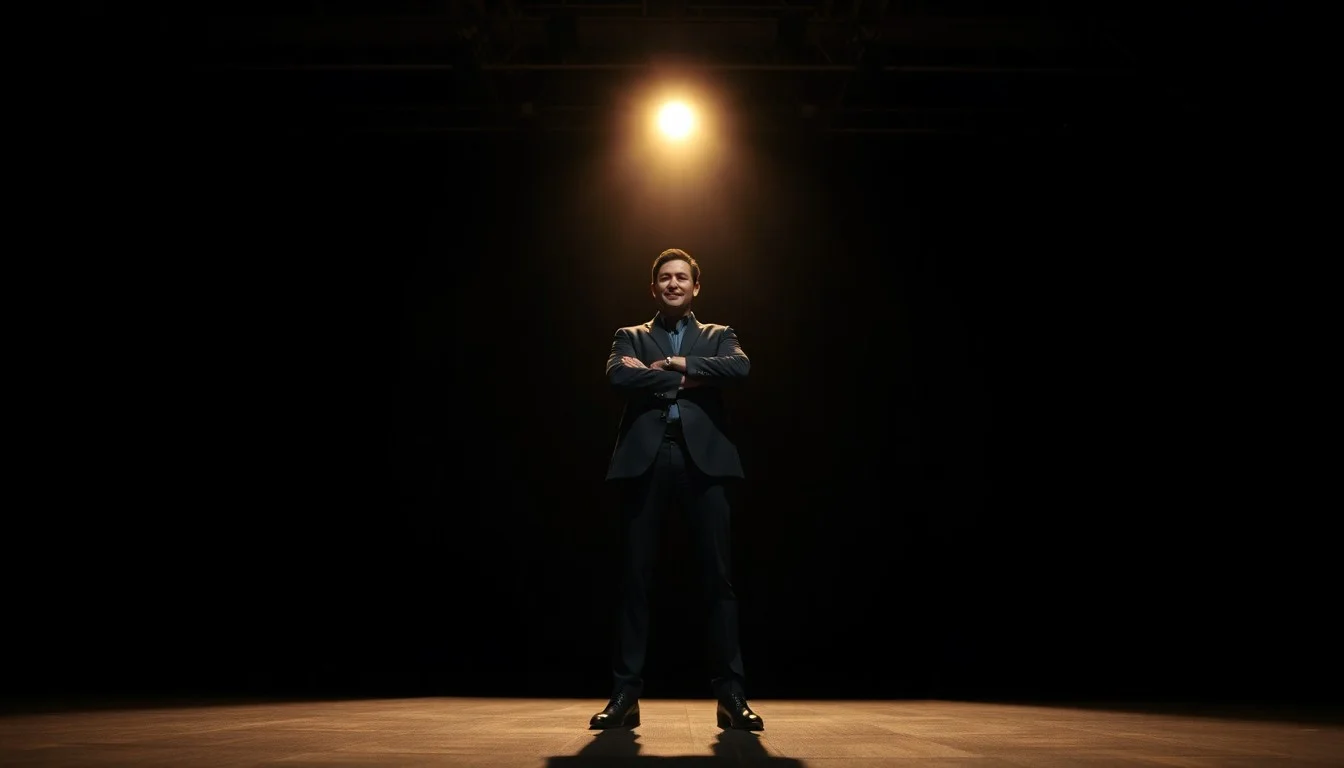
The Psychology of Public Speaking
Welcome to High Impact Oratory. Before we discuss how to speak, we must address how you feel when you speak. Most entrepreneurs view public speaking anxiety as a weakness to be eliminated. This is a fundamental misunderstanding of human physiology.
Anxiety and excitement are physiologically identical. Both states involve:
- Elevated heart rate
- Shallow breathing
- Increased perspiration
- Heightened alertness (cortisol and adrenaline spike)
The only difference is the cognitive label you assign to these sensations. If you label them as «fear,» you freeze. If you label them as «enthusiasm,» you perform.
Core Techniques for Composure
To master your mindset, you must move from a defensive state to an offensive, energized state. Here are the psychological frameworks to make that shift.
Cognitive Restructuring
Cognitive Restructuring is a psychological technique used to identify and dispute irrational or maladaptive thoughts. In public speaking, this means consciously renaming your physical symptoms.
* The Trigger: You feel your heart racing before a pitch.
* Old Thought: «I’m nervous. I’m going to mess this up.»
* New Thought: «My body is preparing me with energy to deliver this message passionately.»
Action: Say out loud, «I am excited,» three times before stepping on stage. This hacks the brain’s interpretation of the arousal.
The Pause Technique
When anxiety strikes mid-speech, the brain often goes blank. This is the «fight or flight» response hijacking your prefrontal cortex (logic center).
The Solution: Stop talking.
To you, a 3-second silence feels like an eternity of failure. To the audience, it looks like thoughtful confidence. It gives your brain a moment to re-oxygenate and reconnect neural pathways. Never apologize for a pause; own it as a dramatic effect.
Comparison: The Nervous vs. The Excited Speaker
Understanding how mindset shifts behavior is crucial for executive presence.
| Feature | The Nervous Speaker (Fear Mindset) | The Excited Speaker (Enthusiasm Mindset) |
|---|---|---|
| Breathing | Shallow, chest-based (Hyperventilation risk) | Deep, diaphragmatic (Power source) |
| Movement | Pacing, fidgeting, hiding behind podium | Purposeful, open, moving toward audience |
| Focus | Internal («How do I look? Am I shaking?») | External («Is the audience getting value?») |
| Mistakes | Apologizes immediately, loses momentum | Pauses, smiles, corrects, and moves on |
Key Takeaway: You cannot eliminate the adrenaline. You can only choose how to use it. Your goal is not to be calm; it is to be effective.