

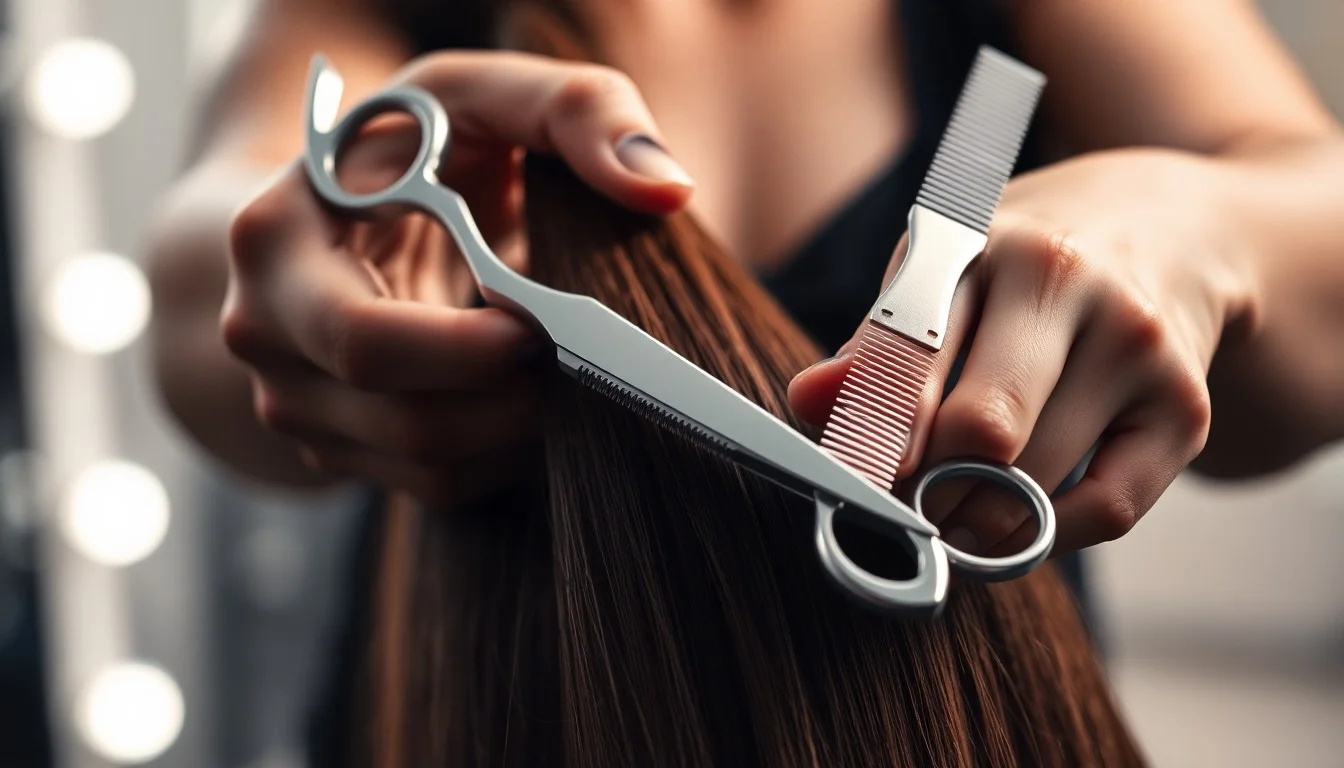
The Geometry of Haircutting
Haircutting is architecture. It is about building shape and removing weight using angles and elevation. Understanding these principles allows you to create any look, rather than just memorizing specific cuts.
Elevation
The angle at which you hold the hair away from the head before cutting.
- 0 degrees: No elevation. Creates a blunt, solid line (Bob).
- 45 degrees: Low elevation. Builds weight and creates a graduated stack (Wedge).
- 90 degrees: High elevation. Removes weight and creates uniform layers.
- 180 degrees: Over-direction. Creates long layers (Shag).
Tension
The pressure applied to the hair while holding it. Consistent tension is crucial for even lines. Curly hair requires less tension because it shrinks when dry; straight hair can handle more.
Texturizing
Techniques used after the main structure is cut to soften lines or remove bulk. Includes point cutting (snipping into the ends), slicing, and using thinning shears.
Styling: The Finish That Sells
A great cut can look terrible if not styled correctly. The «blowout» is a service in itself.
Prep & Product
Apply a heat protectant and a volumizer (root lift) or smoothing cream depending on the desired result. Hair is most malleable when wet and warm; it sets when dry and cool.
Rough Dry
Remove 80% of the moisture using just the dryer and your fingers. Trying to round-brush soaking wet hair causes fatigue and heat damage.
Sectioning
Divide hair into manageable zones. Start at the nape of the neck and work up. Clean sections = clean results.
The Round Brush
Create tension with the brush. Direct the airflow down the hair shaft (from root to tip) to smooth the cuticle and create shine. To add volume, over-direct the root upward.
The Barbering Renaissance
Barbering has evolved from a quick necessity to a luxury experience. The modern barber must master the fade and the beard.
The seamless transition from short to long. Requires mastery of clippers and guards.
- Skin Fade: Blends down to bare skin.
- Shadow Fade: Blends down to very short stubble.
- Technique: Use a «C-scoop» motion with the wrist to flick the clipper away from the head, blending the lines.
Market Note: Men are loyal clients. Once they find a barber who understands their head shape, they will return every 2-3 weeks like clockwork.